Beyond Anecdotes
In a world of complex challenges, good intentions...

SouthAsianRights is a rights-based organization dedicated to promoting human dignity, social justice...
In a world of complex challenges, good intentions...
You invested in the research. You have the reports...
In a world of complex challenges, good intentions...
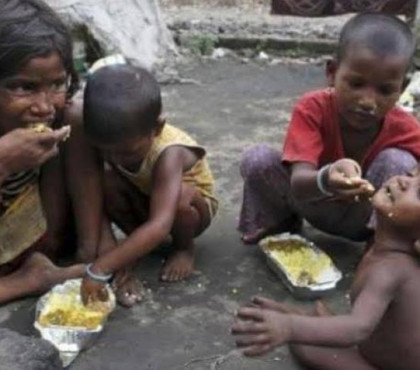
In a world flooded with data and complex challenge...
In the realm of global development, the landscape is dotted with well-intentioned projects. From initiatives to improve rural education to programs aimed at boosting agricultural yields, the goal is often the same: to create a positive, lasting impact. Yet, too often, these projects are designed based on assumptions, outdated models, or isolated success stories. The result? Wasted resources, missed opportunities, and communities that see little meaningful change. In the realm of global development, the landscape is dotted with well-intentioned projects. From initiatives to improve rural education to programs aimed at boosting agricultural yields, the goal is often the same: to create a positive, lasting impact. Yet, too often, these projects are designed based on assumptions, outdated models, or isolated success stories. The result? Wasted resources, missed opportunities, and communities that see little meaningful change. In the realm of global development, the landscape is dotted with well-intentioned projects. From initiatives to improve rural education to programs aimed at boosting agricultural yields, the goal is often the same: to create a positive, lasting impact. Yet, too often, these projects are designed based on assumptions, outdated models, or isolated success stories. The result? Wasted resources, missed opportunities, and communities that see little meaningful change. In the realm of global development, the landscape is dotted with well-intentioned projects. From initiatives to improve rural education to programs aimed at boosting agricultural yields, the goal is often the same: to create a positive, lasting impact. Yet, too often, these projects are designed based on assumptions, outdated models, or isolated success stories. The result? Wasted resources, missed opportunities, and communities that see little meaningful change. In the realm of global development, the landscape is dotted with well-intentioned projects. From initiatives to improve rural education to programs aimed at boosting agricultural yields, the goal is often the same: to create a positive, lasting impact. Yet, too often, these projects are designed based on assumptions, outdated models, or isolated success stories. The result? Wasted resources, missed opportunities, and communities that see little meaningful change. In the realm of global development, the landscape is dotted with well-intentioned projects. From initiatives to improve rural education to programs aimed at boosting agricultural yields, the goal is often the same: to create a positive, lasting impact. Yet, too often, these projects are designed based on assumptions, outdated models, or isolated success stories. The result? Wasted resources, missed opportunities, and communities that see little meaningful change. In the realm of global development, the landscape is dotted with well-intentioned projects. From initiatives to improve rural education to programs aimed at boosting agricultural yields, the goal is often the same: to create a positive, lasting impact. Yet, too often, these projects are designed based on assumptions, outdated models, or isolated success stories. The result? Wasted resources, missed opportunities, and communities that see little meaningful change. In the realm of global development, the landscape is dotted with well-intentioned projects. From initiatives to improve rural education to programs aimed at boosting agricultural yields, the goal is often the same: to create a positive, lasting impact. Yet, too often, these projects are designed based on assumptions, outdated models, or isolated success stories. The result? Wasted resources, missed opportunities, and communities that see little meaningful change. In the realm of global development, the landscape is dotted with well-intentioned projects. From initiatives to improve rural education to programs aimed at boosting agricultural yields, the goal is often the same: to create a positive, lasting impact. Yet, too often, these projects are designed based on assumptions, outdated models, or isolated success stories. The result? Wasted resources, missed opportunities, and communities that see little meaningful change. In the realm of global development, the landscape is dotted with well-intentioned projects. From initiatives to improve rural education to programs aimed at boosting agricultural yields, the goal is often the same: to create a positive, lasting impact. Yet, too often, these projects are designed based on assumptions, outdated models, or isolated success stories. The result? Wasted resources, missed opportunities, and communities that see little meaningful change. In the realm of global development, the landscape is dotted with well-intentioned projects. From initiatives to improve rural education to programs aimed at boosting agricultural yields, the goal is often the same: to create a positive, lasting impact. Yet, too often, these projects are designed based on assumptions, outdated models, or isolated success stories. The result? Wasted resources, missed opportunities, and communities that see little meaningful change. In the realm of global development, the landscape is dotted with well-intentioned projects. From initiatives to improve rural education to programs aimed at boosting agricultural yields, the goal is often the same: to create a positive, lasting impact. Yet, too often, these projects are designed based on assumptions, outdated models, or isolated success stories. The result? Wasted resources, missed opportunities, and communities that see little meaningful change.